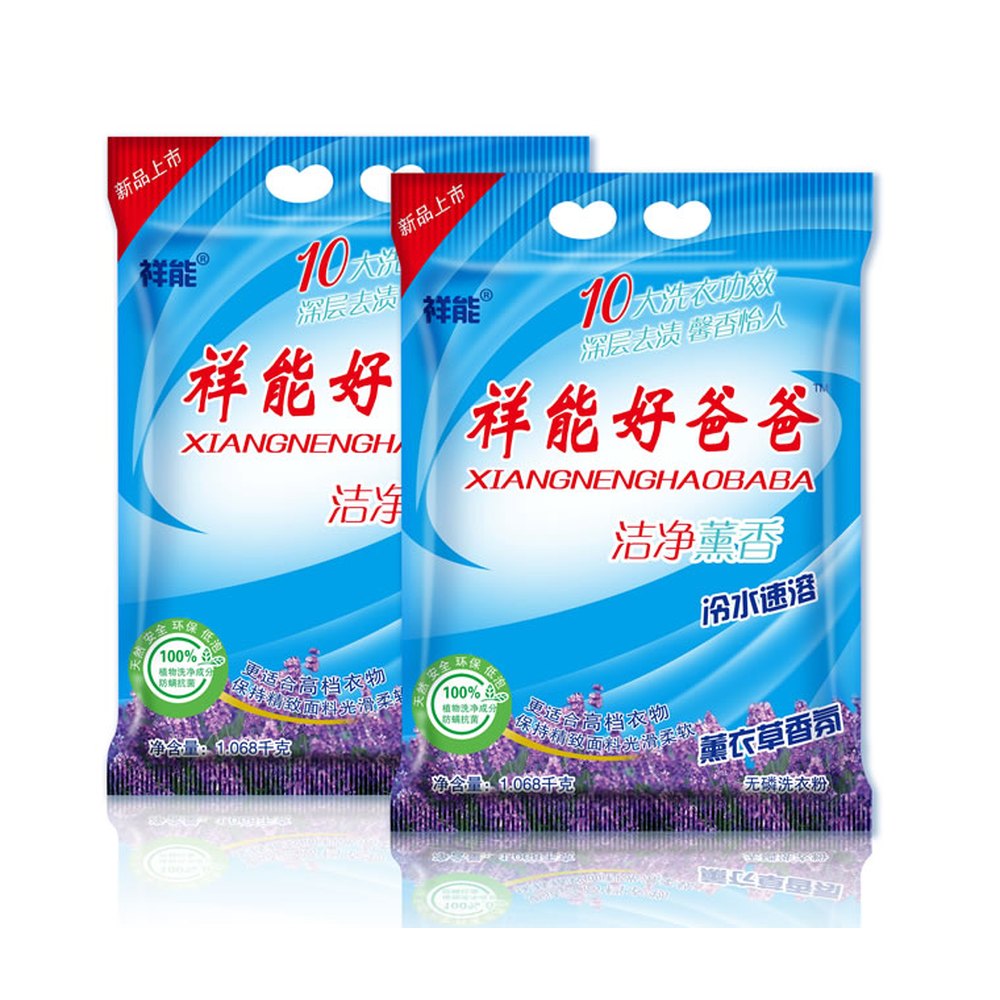
Laundry powder caking is one of the most common complaints importers hear from distributors in humid markets. A powder that pours freely at the factory can arrive as hard lumps after a sea shipment through tropical ports, weeks in an un-conditioned warehouse, or a retail shelf near the coast.
The problem is rarely a single defect. Caking usually comes from the interaction of formula hygroscopicity, packaging barrier, seal quality, and storage conditions along the route. That means the fix belongs in the RFQ, not in a complaint email after the first container.
This guide explains where caking risk comes from and which specification questions to raise with suppliers before confirming an order.
Why Powder Cakes: The Short Version
Laundry powder contains ingredients that absorb moisture from the air. When humidity is high and temperature cycles between day and night, absorbed moisture dissolves the surface of powder particles. As conditions change, the dissolved layer recrystallizes and bridges neighboring particles together. Repeated cycles turn loose powder into lumps, and lumps into a solid block.
Three factors decide how fast this happens:
| Factor | What drives it | What the buyer can influence |
|---|---|---|
| Formula moisture sensitivity | Filler ratio, builder type, processing route | State destination climate in the RFQ so formula direction can be reviewed |
| Packaging barrier | Film structure, thickness, seal integrity | Request material structure and seal test evidence, not just artwork |
| Route and storage exposure | Transit time, port humidity, warehouse conditions | Describe the real route and storage plan so cartons and liners match it |
None of these can be judged from a product photo or a unit price. They only become visible when the RFQ asks for them.
Formula Questions to Raise
Buyers do not need to audit chemistry, but the RFQ should state the conditions the product must survive. Useful inputs include the destination country, whether warehouses are climate-controlled, typical retail conditions, and expected shelf time before sale.
With that context, ask the supplier to confirm how the proposed formula direction behaves in high humidity, and whether an alternative direction is more stable for the destination. High-filler economy formulas and premium formulas can respond very differently to the same warehouse.
If the product line includes both machine-wash and hand-wash directions, review them separately. Hand-wash powders for markets like West Africa are often sold in small sachets that sit in open-air kiosks, which is a harder environment than a supermarket shelf. The high foam laundry powder guide for hand-wash markets covers how that sales environment shapes the product brief.
Packaging Is the Main Defense
For most destinations, packaging barrier matters more than small formula adjustments. The RFQ should ask for the proposed film structure and thickness for bags or sachets, not only the printed design.
Key points to confirm:
- Whether the film structure is intended for humid-climate export or is a general-purpose stock material
- How seals are tested, and what seal-strength evidence can be shared with samples
- For sachets, how the strip or block of sachets is protected inside the inner bag or carton
- For larger bags, whether an inner liner is proposed and how the bag mouth is closed
Sample review should include more than appearance. Leave one sample pack in a humid room for two to four weeks and check flow, lumping, and seal condition before approving the packaging direction. The sample evaluation guide for small-pack laundry powder describes a structured way to record those checks.
Cartons, Containers, and the Route
Moisture also enters at the carton and container level. A strong inner pack inside a weak carton still fails when cartons soften, collapse, and expose inner bags during handling.
Describe the real route in the RFQ: port of discharge, expected transit time, whether containers may wait in the sun at the port, and how goods are stored after clearance. Suppliers can then propose carton grade, liner or desiccant options, and loading direction that match the route instead of a generic export assumption. The container loading plan guide explains which loading details belong in the quotation discussion.
A Simple Humidity Check Before Approval
A formal climate chamber is not required to reduce most caking risk. A structured informal check catches the worst problems before the packaging direction is approved.
Keep two or three sample packs from each proposed packaging version. Store one pack in a normal office room as the control. Store the others in the most humid environment available: a bathroom, a kitchen, or a sealed box with a tray of water. Leave them for two to four weeks, opening nothing.
Then compare the stored packs against the control on the same day:
- Does the powder still pour freely, or are there soft lumps or hard blocks?
- Has the pack swelled, softened, or changed feel, suggesting moisture entry?
- Are seals still intact when pulled by hand, especially on sachets?
- Has the printed surface bubbled, wrinkled, or delaminated?
Record the result per packaging version with dates and photos, the same way sample versions are tracked elsewhere in the sourcing process. If two suppliers propose different film structures, this check is often enough to show a real difference between them before any order is placed.
The check does not replace supplier test data. It gives the buyer independent evidence and makes the follow-up question specific: not “will it cake?” but “this version lumped after three weeks at high humidity — what changes in the film or formula direction do you propose?”
A Caking-Risk Checklist for the RFQ
Before requesting quotations, prepare these details:
- Destination country, port, and typical humidity conditions
- Warehouse and retail storage description, including whether climate control exists
- Expected time from production to final sale
- Pack sizes and formats, including sachets if any
- Request for film structure, thickness, and seal test approach per pack format
- Request for carton grade and any liner or desiccant proposal for the route
- Sample plan that includes a humidity exposure check, with results recorded per version
Next Step
If a previous shipment already caked, keep the evidence: photos, storage description, and the time between production and the complaint. That record turns a vague quality dispute into a specification discussion.
Send the destination conditions and pack format plan through the RFQ form. BAFR can compare partner manufacturer resources on formula direction, packaging barrier, and carton planning for the actual route, so the quotation reflects the climate the product must survive rather than ideal warehouse conditions.