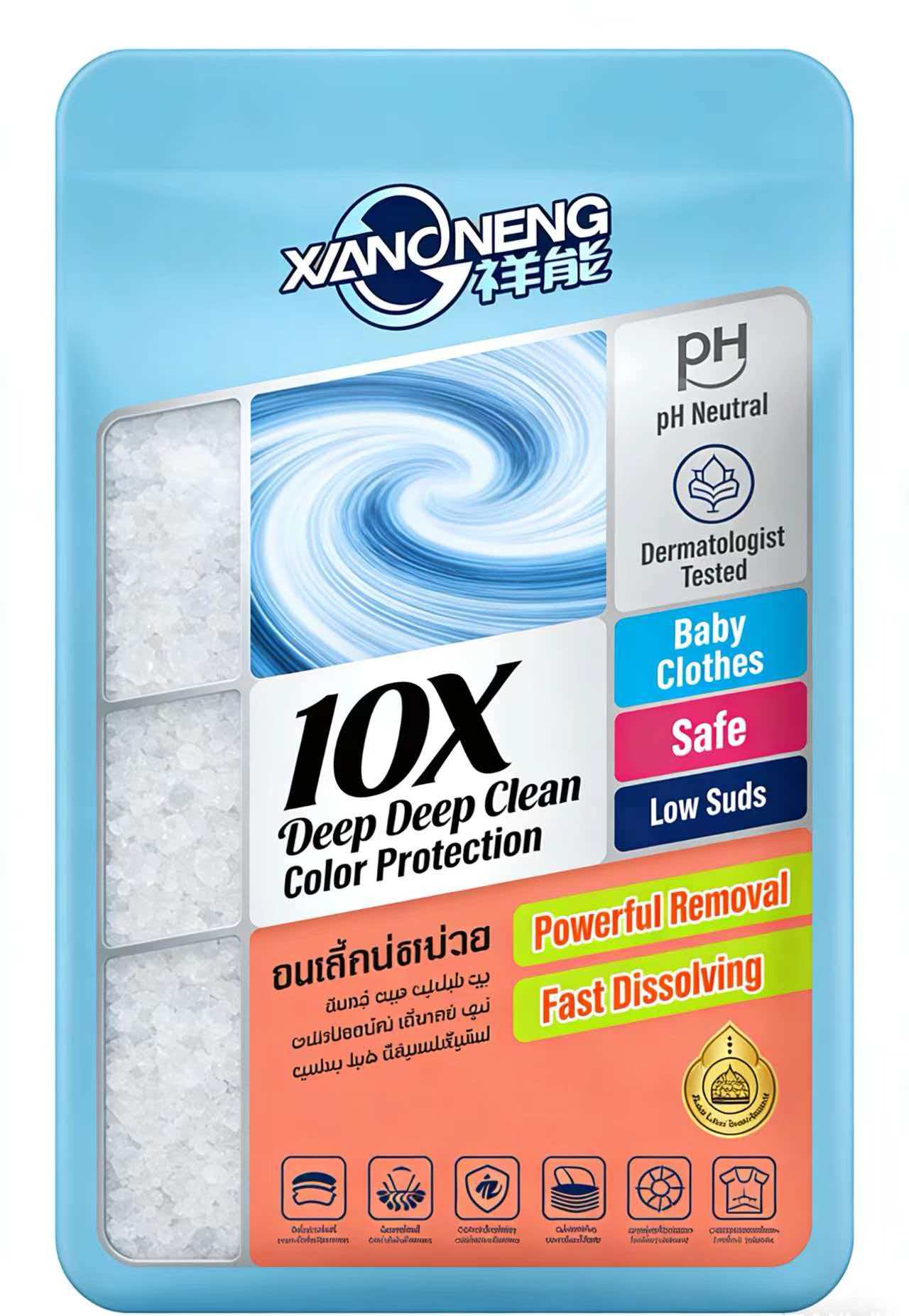
A small-pack export laundry powder sample evaluation should use one repeatable buyer brief rather than informal impressions from different washes. Small retail packs are often assessed by distributors, private-label teams, and wholesalers before they decide whether to proceed with formula discussions, packaging development, or a fuller RFQ. BAFR is a China trading and sourcing company that coordinates partner manufacturer resources, helping buyers align the sample request, product direction, retail-pack details, and destination information before quotation discussions move forward.
Set a Comparable Sample Brief
Start by recording the product purpose and the conditions under which each sample will be assessed. State whether the intended use is hand washing, machine washing, or both; identify the likely consumer channel; and note the textile types, soil conditions, water observations, and preferred fragrance direction. Include the retail-pack format, proposed net-content direction, label language, and destination market. A clear brief helps suppliers respond to the same requirement instead of submitting unrelated standard samples. Buyers can review related product categories through cleaning products before narrowing the request.
Keep Wash Conditions Consistent
A useful comparison depends on controlled conditions. Use the same fabric types, similar soil examples where practical, the same wash method, and a recorded amount of water for each sample. Note the amount of powder used, the wash and rinse sequence, visible foam behavior, fragrance impression, and any observations after drying. These records are not a universal performance claim; they simply help the buyer compare samples under one internally defined test method. If water hardness, wash temperature, or equipment differs between tests, record that difference so it can be considered during review.
Review Small-Pack Handling and Label Inputs
The sample pack itself matters alongside the powder. Check how the pack is opened, resealed if relevant, stored, displayed, and handled by a distributor or retailer. Review print readability, label language, usage-panel direction, barcode location, batch-identification expectations, and outer-carton information. For private-label development, OEM/ODM packaging support can help structure discussions around artwork responsibilities and pack requirements. Final artwork, market labeling, and product decisions should remain subject to the buyer’s review and RFQ confirmation.
Compare Supplier Responses on One Basis
Ask each potential supplier to respond against the same written brief. The response should identify the proposed product direction, small-pack presentation, requested sample scope, destination-market inputs, and any information needed to prepare a quotation. Keep a simple comparison table covering sample reference, test conditions, observations, packaging notes, and outstanding questions. BAFR can coordinate communication with suitable partner manufacturer resources through its China sourcing service, allowing buyers to keep sample feedback and supplier replies organized.
RFQ Checklist for Small-Pack Sample Evaluation
- Intended wash method and end-user channel
- Fabric types, soil examples, and water-condition observations
- Sample pack format, net-content direction, and label language
- Target destination country and retail or distributor route
- Desired foam, fragrance, rinse, and handling directions
- Test method, observation form, and sample-comparison criteria
- Artwork status, barcode needs, and outer-carton requirements
- Requested product-information and sample-document scope
Next Step
Prepare one sample-evaluation brief and submit it through Request a Quote. BAFR will review the product, packaging, sample, and destination details, then coordinate appropriate partner manufacturer resources for the next RFQ-confirmed sourcing step.