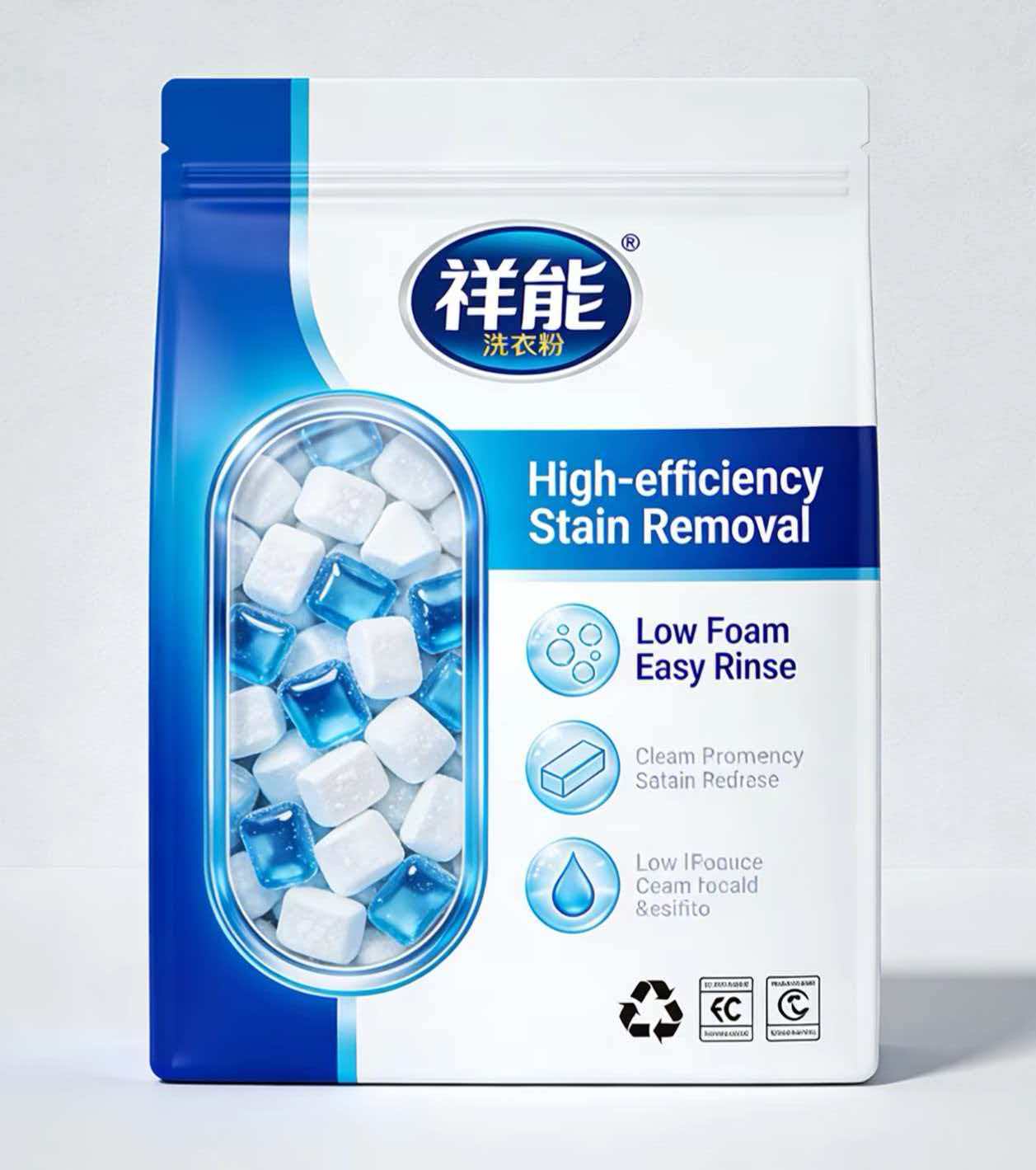
Importers planning a front-load program need a repeatable way to evaluate low-foam export laundry powder rinse residue before they compare quotations. A low-foam direction is only one part of the buyer brief: fabric types, water conditions, wash program, dosage approach, rinse sequence, packaging, and sample observations all influence whether two offers are genuinely comparable. BAFR is a China trading and sourcing company coordinating partner manufacturer resources, helping buyers organize the RFQ inputs needed for a structured sample review.
Set a Controlled Evaluation Brief
Start with one written brief shared with every candidate supplier. Identify the front-load machine type, approximate load profile, intended wash cycle, water-condition observations, and the textile mix used during evaluation. Include whether the samples will be reviewed on white linen, colored garments, towels, uniforms, or another defined fabric group. Record the soil types used for comparison where practical, such as everyday wear, food marks, body oils, or a controlled stain set.
A controlled brief does not promise a specific result. It helps buyers make sure each sample is assessed against the same intended application instead of against changing assumptions. Review the relevant cleaning product sourcing categories when defining the product range and related commercial-use needs.
Review Foam and Rinse Observations Together
Foam should be assessed together with the complete wash and rinse sequence. Buyers can specify the planned dosage direction, water level, cycle duration, and rinse count used in their own evaluation. During sample tests, record visible foam at comparable points in the cycle, along with any observations about rinse water, fabric feel, visible powder traces, or fragrance carryover.
Avoid treating one observation as a universal product claim. Water hardness, load size, textile construction, machine settings, and operator practice may change the outcome. A useful sample record distinguishes what was observed under the stated conditions from what still needs a follow-up test. BAFR can coordinate comparable sample communication with suitable partner manufacturer resources through its China sourcing service.
Include Packaging and Handling in the Review
A sample evaluation should also cover how the proposed powder will be presented and handled after approval. State the preferred pack direction, label language, storage route, outer-carton requirements, barcode needs, and artwork status. For a private-label program, clarify who supplies the artwork, who confirms the product copy, and which destination-market details must be reviewed before production discussions proceed.
The OEM and ODM process can help frame packaging questions, but final formula direction, artwork, labeling, and market decisions remain subject to the buyer’s RFQ and confirmation process. Capturing these details early prevents a sample comparison from becoming disconnected from the final distribution plan.
Compare Supplier Responses on One Basis
Ask each supplier to respond to the same evaluation brief. Compare the product description, sample identification, packaging proposal, requested documentation scope, and clarification questions alongside the wash observations. Keep a simple table that lists each sample code, test condition, dosage direction, foam observation, rinse observation, fabric notes, packaging comments, and open items.
This method gives procurement teams an auditable starting point for internal discussion without assuming that one sample is suitable for every machine or market. It also makes it easier to request targeted follow-up samples if the first comparison reveals gaps in the brief.
RFQ Checklist for Rinse Residue Evaluation
- Front-load machine type, load profile, and intended wash program
- Water-condition observations and rinse sequence used for testing
- Fabric types, colors, and soil profile for the comparison
- Intended dosage direction and measurement approach
- Foam, rinse-water, fabric-feel, and visible-residue observations to record
- Packaging format, label language, barcode, and artwork status
- Estimated purchase plan, destination country, and destination port
- Sample identification, product-information, and document scope requested
Next Step
Prepare one controlled test brief and submit it through the request-a-quote page. BAFR will review the sourcing inputs, coordinate suitable partner manufacturer resources, and arrange the next quotation discussion after product, packaging, and commercial details are RFQ-confirmed. For follow-up planning, senduosupply.com can also be used to review related sourcing guides.