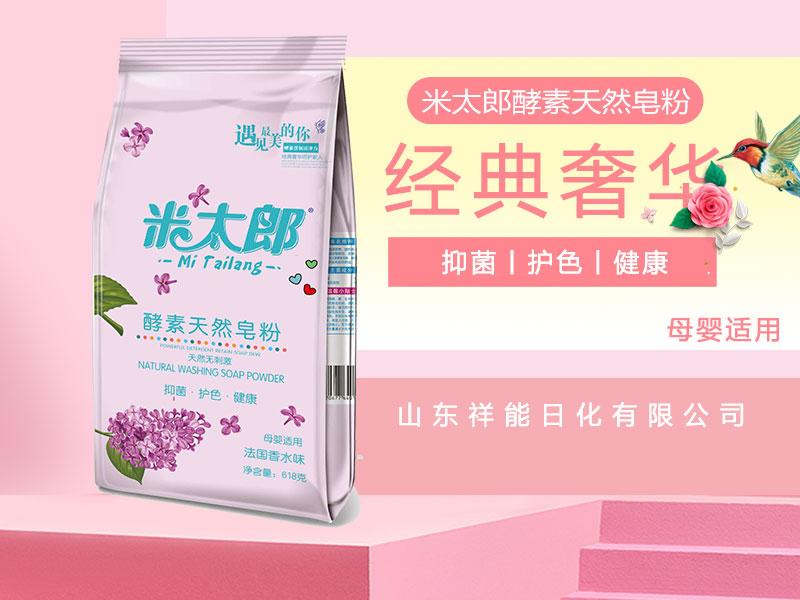
Evaluating a laundry detergent powder OEM supplier requires more than comparing a product name and headline quotation. Importers, wholesalers, distributors, and private-label buyers need to understand whether a partner manufacturer’s formula direction, sample evidence, packaging capability, document scope, and communication process fit the intended market and order plan.
BAFR operates as a trading and sourcing company that coordinates partner manufacturer resources in China. This guide focuses on supplier evaluation and quotation assumptions. Buyers who are primarily choosing bags, boxes, labels, or cartons should use the separate laundry powder OEM packaging guide.
How To Define The Formula Brief
The supplier comparison should begin with a written formula brief. State the intended washing method, foam direction, fragrance family, color, target use, benchmark product if available, and any performance or ingredient questions that must be confirmed. Avoid asking for a generic “best formula” because different markets, price positions, and washing habits can require different directions.
The brief should separate required characteristics from preferences. For example, a buyer may require compatibility with a particular washing method while treating fragrance variants as options. This makes it easier to identify which differences between supplier responses are material and which can be resolved during sampling. Review the broader cleaning product sourcing scope when the detergent powder will be purchased with other categories.
How To Compare Supplier Capability
Ask each candidate supplier to respond against the same requirement set. Relevant comparison points include available formula directions, supported sampling process, pack formats, artwork inputs, production communication, and the documents the supplier can discuss for the destination market. A capability should remain an open RFQ item until the selected partner confirms it for the specific product and order.
Packaging still affects supplier fit, but it should be treated as a constraint rather than duplicated as the main topic of this guide. Share the required pack type, approximate size, printing direction, and carton expectation so unsuitable resources can be screened out early. Use the OEM and ODM coordination process for a fuller customization brief.
Use An Evidence Ladder For Supplier Claims
Supplier capability should be recorded with its supporting evidence, not only as a yes-or-no answer. Use the following ladder and keep the current level visible in the comparison:
| Evidence level | What it means | Appropriate decision |
|---|---|---|
| Stated capability | The supplier says an option can be discussed | Keep the supplier in initial screening |
| Reference evidence | A photo, sample document, pack example, or general specification illustrates the option | Clarify whether it applies to the proposed item |
| Project-specific evidence | A coded sample, formula sheet, dieline, quotation, or scoped document is tied to the buyer’s brief | Begin technical and commercial comparison |
| Order-level confirmation | Approved specification, artwork, sample reference, terms, and quality checkpoints agree with one another | Consider final supplier selection |
A generic certificate, an unrelated package photo, or a stock sample can support a conversation, but it should not be treated as proof for a customized formula or future production batch. Record what the evidence actually covers and what remains unconfirmed.
What To Check During Sample Review
Samples are useful only when the buyer records what is being evaluated. Identify whether a sample represents an existing formula, a proposed customized direction, or only a packaging reference. Keep the sample label or reference code connected to the supplier response so later quotation changes can be traced back to the correct assumptions.
Useful sample review points include:
- Powder appearance and consistency
- Fragrance direction before and after washing
- Foam and rinse behavior under the buyer’s test method
- Packaging seal, label readability, and handling condition
- Differences from the benchmark product or approved brief
- Questions that require supplier clarification before quotation
The buyer should document the test conditions and avoid treating one informal test as a universal performance claim. Any required third-party testing, destination-market review, or formal specification should be discussed separately with the selected supplier.
A basic sample record can use one row per sample:
| Field | Example of the information to record |
|---|---|
| Reference | Supplier code, sample code, received date, and version |
| Product basis | Existing formula, proposed customization, or packaging-only reference |
| Test conditions | Water source, dose, wash method, fabric or soil, duration, and comparison product |
| Observations | Appearance, fragrance, foam, rinsing, residue, packaging, and handling notes |
| Result | Approved for next step, revise and resample, rejected, or awaiting clarification |
| Follow-up | Question owner, supplier response needed, and target review date |
This record does not turn an internal wash check into a laboratory claim. It makes the buyer’s own decision traceable and reduces the chance of approving one version while pricing another.
How To Confirm Document Scope
Document requirements vary by destination, product, formula, and selected partner manufacturer. The RFQ should distinguish mandatory buyer requirements from documents that are merely preferred. Ask the supplier to identify what can be provided, what requires product-specific preparation, and what cannot be confirmed before the formula and order details are fixed.
Possible discussion items can include a specification sheet, safety data, batch-related information, origin-related documents, or buyer-requested reports when applicable. Listing a document on a website does not establish that it is available for every order. The China sourcing service explains how these questions are coordinated with partner resources.
How To Compare Quotations Fairly
Place supplier responses in one comparison table and keep assumptions visible. A lower number may reflect a different formula, simpler pack, missing document work, different carton arrangement, or an unresolved sample step. Compare the same product direction, quantity plan, packaging scope, destination, and document request before deciding that one response is commercially stronger.
Record open questions beside each quotation. This prevents an incomplete response from appearing equivalent to a more detailed one and gives the sourcing team a practical follow-up list.
Keep A Supplier Decision Record
Use buyer-selected weights rather than a universal score. A price-sensitive wholesale project and a private-label retail launch may reasonably prioritize different factors.
| Decision area | Evidence to compare | Buyer decision |
|---|---|---|
| Formula fit | Brief response, sample reference, test record, unresolved deviations | Accept, revise, or reject |
| Packaging fit | Supported pack, material, artwork inputs, carton assumptions | Accept, revise, or reject |
| Document fit | Requested document, applicable product, issuer, validity, and scope | Confirmed, pending, or unsupported |
| Communication | Response completeness, change tracking, named open questions | Suitable or unsuitable for follow-up |
| Commercial basis | Comparable quantity, pack, Incoterm, inclusions, exclusions, and validity | Comparable or normalize first |
| Production control | Approved references, checkpoints, inspection plan, change process | Adequate, revise, or unresolved |
Do not calculate a final score while mandatory evidence is missing. A supplier that fails a required product, document, or destination-market condition should remain unresolved even if its indicative price is lower.
Laundry Detergent Powder Supplier Evaluation Checklist
- Target use, washing method, foam direction, and benchmark
- Required formula characteristics and optional preferences
- Estimated order plan and destination market
- Pack type and customization constraints
- Sample type, reference code, and evaluation method
- Required and preferred document lists
- Supplier response to unresolved technical questions
- Quotation assumptions, exclusions, and follow-up items
Next Step
The evaluation is ready to move forward when the required formula and packaging conditions are separated from preferences, every sample has a traceable reference, document scope is explicit, and quotations share the same commercial basis. Submit the laundry detergent powder RFQ with the comparison sheet and open-question list so BAFR can coordinate clarification with suitable partner manufacturer resources.