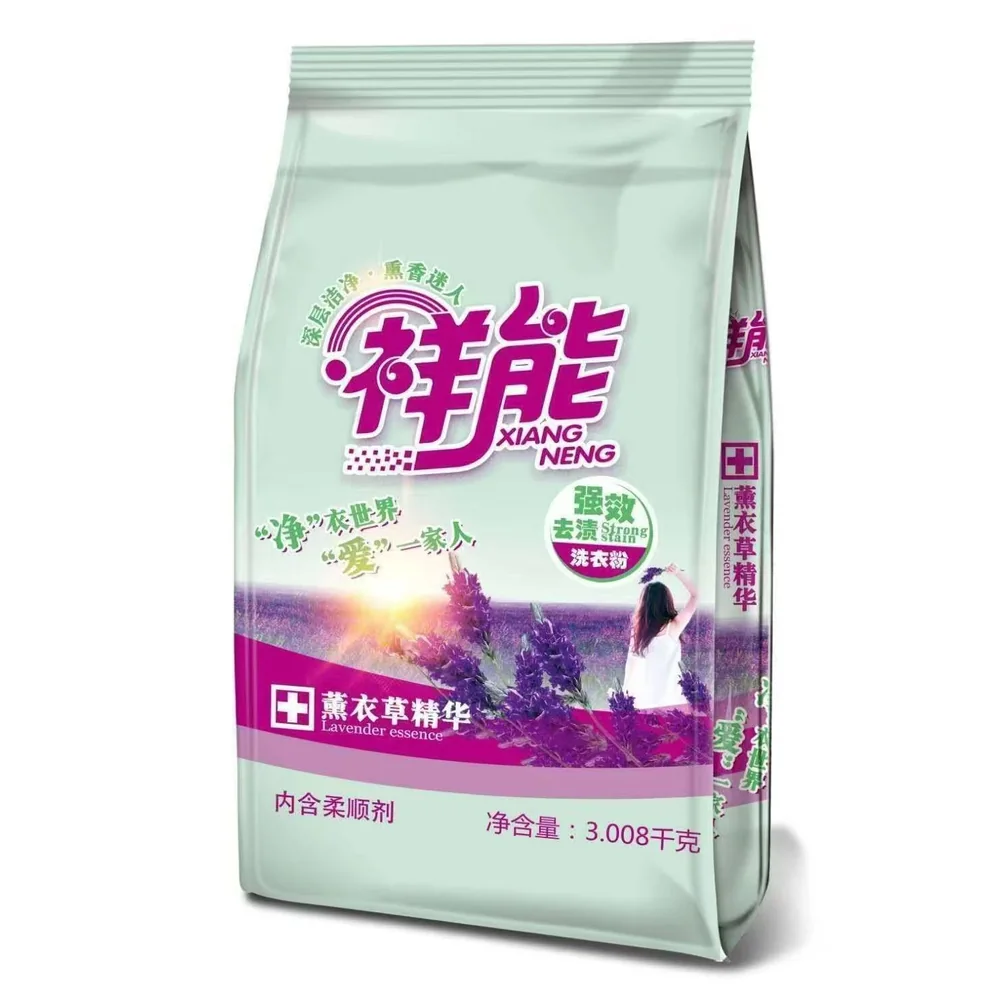
Laundry powder OEM packaging affects more than appearance. For importers, wholesalers, supermarket buyers, and private-label teams, the packaging plan influences supplier matching, sample preparation, carton planning, artwork review, shipping discussion, and quotation quality.
When buyers search for laundry powder OEM packaging from China, they usually need to compare several decisions before asking for a final price: pack size, bag or box structure, label language, carton marks, formula direction, fragrance, foam level, document needs, and whether the order is for a trial launch, wholesale distribution, or a retail private-label line.
BAFR handles this category through an RFQ-first process. Public prices and final terms are not fixed on the website because laundry powder quotation depends on formula, packaging material, printing requirements, quantity plan, destination market, and selected partner manufacturer resources.
Buyers can review the broader cleaning products sourcing categories before narrowing the laundry powder packaging plan, especially when building a complete detergent, dishwashing liquid, laundry liquid, soap, or hand wash product line.
Match Packaging To The Sales Channel
The first decision is not only the package size. Buyers should start with the sales channel and use case.
For supermarket and retail shelves, the packaging may need stronger visual branding, clear usage instructions, barcode placement, local language, fragrance or function claims, and retail carton planning. For wholesale or distributor sales, the buyer may prioritize handling strength, carton efficiency, pallet discussion, and clear outer marks. For hotel, laundry service, or commercial cleaning buyers, functional information and easy stock management may matter more than decorative retail design.
Common laundry powder packaging directions include small sachets or trial packs, family-size bags, wholesale bags, carton boxes, buckets, pails, and woven bags. The best option depends on how the buyer plans to sell, store, ship, and display the product.
Use the sales channel to define the question, not to assume the answer:
| Sales channel | Packaging questions to resolve | Evidence to request |
|---|---|---|
| Supermarket or retail | Shelf dimensions, front-facing area, barcode, language, variant system, retail carton | Dieline, artwork checklist, pack sample, carton proposal |
| Distributor or wholesale | Handling strength, SKU identification, inner pack, outer marks, warehouse conditions | Material direction, seal sample, carton details, handling test plan |
| Hotel or commercial use | Dose communication, storage, repeated handling, larger pack practicality | Pack and closure sample, usage-label draft, storage and handling notes |
| Trial launch | Existing versus customized material, print method, number of SKUs, scale-up route | Stock reference, customization limits, separate trial and production assumptions |
The table is a briefing tool. It does not establish that one format is suitable until the proposed material, size, filling method, route, and destination requirements have been reviewed together.
Compare Bag, Box, Bucket, And Bulk Directions
Flexible bags are common for retail and wholesale laundry powder because they can support private-label printing, multilingual layout, fragrance labels, usage direction, and different shelf positions. They are also useful when buyers need several pack sizes under one brand family.
Carton boxes may be considered when the buyer wants a more structured retail presentation or a clear supermarket shelf format. The RFQ should explain whether the box is the consumer package, an outer carton, or both.
Buckets and pails can work for commercial, family, or institutional positioning when the buyer wants a reusable or stronger container concept. These packaging types need early discussion because container shape, handle, lid, label area, and carton method can affect supplier matching.
Woven bags and larger wholesale packs are often discussed for distributor or bulk channels. The buyer should explain handling conditions, warehouse use, and destination-market expectations so the sourcing team can compare practical packaging options.
Connect Formula Direction With Packaging
Packaging should match the formula direction. Laundry powder positioned for strong stain removal, easy rinsing, moderate foam, low residue, fabric care, fragrance, or hand-wash use may need different label wording and different sample review.
If the product is intended for machine wash, hand wash, hotel linen, supermarket household use, or distributor resale, that should be stated in the RFQ. The supplier can then review whether the formula direction, fragrance concept, packaging material, label claims, and document scope are aligned.
Buyers should avoid treating the package as a design-only decision. A good RFQ explains both the outer packaging and the product experience the buyer expects the end user to receive.
Prepare Label And Artwork Requirements
Private-label laundry powder projects usually need artwork review before final quotation. Useful information includes brand name, logo status, label language, usage instructions, net weight display, fragrance wording, caution text, barcode needs, importer information, and destination-market labeling requirements.
If the buyer already has artwork, the RFQ should say whether the file is editable and whether dielines are available. If the buyer only has a brand direction, BAFR can help review what information is still missing before supplier comparison.
For multilingual packaging, buyers should list required languages early. Translation, layout length, legal wording, and icon placement can change the packaging design and printing discussion.
For private-label projects that need coordinated artwork, packaging, and formula discussion, the OEM/ODM sourcing process is the better reference path than a generic product inquiry.
Do Not Ignore Cartons And Shipping Marks
Outer carton details are often missed in early RFQs, but they affect real export planning. Buyers should describe carton mark requirements, inner packing direction, retail display needs, pallet preference if any, and whether the shipment is expected to support FCL, LCL, or a smaller trial order discussion.
The carton is also part of the buyer experience. A distributor may care about clear stock identification. A supermarket buyer may need carton marks that match warehouse intake rules. A private-label buyer may want neutral cartons or branded cartons depending on sales channel and destination market.
Samples Should Test More Than Appearance
OEM packaging samples for laundry powder should help the buyer review both the product and the package. Depending on the RFQ, sample discussion may include powder appearance, fragrance, foam level, cleaning direction, bag feel, seal quality, label readability, carton concept, and whether the proposed packaging fits the sales channel.
Custom samples require clearer instructions than stock samples. If the buyer wants a custom fragrance, package size, label language, color direction, or artwork concept, those details should be included before the supplier prepares a sample plan.
Control Packaging Versions During Sampling
Formula, artwork, bag material, and carton details can change on different timelines. Give each sample or proof a version identifier and keep the approval scope explicit.
| Version record | Minimum information |
|---|---|
| Product sample | Formula or fragrance reference, date, supplier, test purpose, and result |
| Printed pack proof | Dieline version, artwork version, colors, language, barcode status, and approval comments |
| Physical pack sample | Material structure proposed by supplier, dimensions, seal, fill condition, and handling observations |
| Carton proposal | Internal count, dimensions, marks, gross-weight basis, separators or liner, and pallet assumption |
| Final approval set | Approved product reference, packaging files, carton details, open exceptions, and approver/date |
An approved artwork PDF does not approve the formula or physical seal. A formula sample does not approve the printed packaging. Separate approvals make later quotation and production discussions easier to trace.
Supplier Matching Factors
Not every laundry powder supplier is suitable for every packaging direction. Supplier matching can depend on formula direction, packaging material, printing method, pack size, order plan, destination market, sample needs, and document requirements.
BAFR compares suitable partner manufacturer resources instead of presenting one fixed answer for every buyer. The goal is to match the RFQ with a practical sourcing route and help the buyer understand what must be confirmed before a final quotation.
Compare Packaging Quotations Without Hidden Differences
Normalize each response before comparing the unit price. Record the consumer pack, printing method, number of colors or artwork versions when relevant, formula basis, units per carton, carton construction direction, trial or production quantity, sample status, document work, and commercial exclusions.
If a response leaves any of those fields blank, mark it as an open question rather than assuming it matches another supplier. In particular, separate one-time preparation items from recurring production assumptions and separate stock-package pricing from customized-package pricing. This prevents a simple reference offer from appearing equivalent to a production-ready private-label quotation.
RFQ Checklist For Laundry Powder Packaging
Before requesting a quotation, prepare these details:
- Product category and target use
- Destination country and destination port
- Sales channel: supermarket, distributor, wholesale, hotel, commercial, or private label
- Pack size direction and preferred packaging type
- Label language and artwork status
- Formula direction, fragrance, foam level, and stain-removal expectation
- Carton marks, inner packing, and shipping discussion
- Sample needs and whether custom sampling is required
- Document requirements such as MSDS or destination-market support documents when applicable
- Estimated quantity or container plan
Next Step
The packaging brief is ready when the sales channel, pack format, formula link, artwork status, carton assumptions, sample versions, and open approvals are visible in one record. Send those details through the RFQ form. BAFR can compare suitable partner manufacturer resources and coordinate the next quotation step without treating unconfirmed packaging assumptions as final terms.