For a distributor preparing an export laundry liquid private-label bottle RFQ, the most useful brief connects formula direction with bottle usability, label ownership, carton handling, and destination-market requirements. If you are comparing an export laundry liquid private label bottle supplier for distributors, define the product, package, and commercial questions together so potential partners can respond on the same basis. The phrase “RFQ checklist for distributors” is best treated as a working document: it should help your team gather comparable details, not force every market into one standard format. BAFR is a China trading and sourcing company that coordinates partner manufacturer resources, helping buyers organize product, bottle, sample, and export inputs before quotation discussions move forward.
Define the Laundry Liquid Product Direction
Start with the intended washing method and target customer. State whether the liquid is intended for hand washing, top-load machines, front-load machines, or a broader household range. Add the desired cleaning-function direction, fragrance family, color preference, foam expectation, viscosity direction, and rinse feel. These inputs give a partner manufacturer a clearer starting point for sample discussions without assuming that one formula suits every water condition or consumer habit.
For a distributor range, clarify whether the product will be a single hero SKU or part of a family with several fragrances, sizes, or use cases. Identify the target retail channel, such as supermarkets, neighborhood stores, hospitality supply, or wholesale distribution. If the product will be positioned around a particular consumer benefit, state the wording direction and the evidence or document scope your team expects to review before artwork approval.
Select a Bottle and Closure System
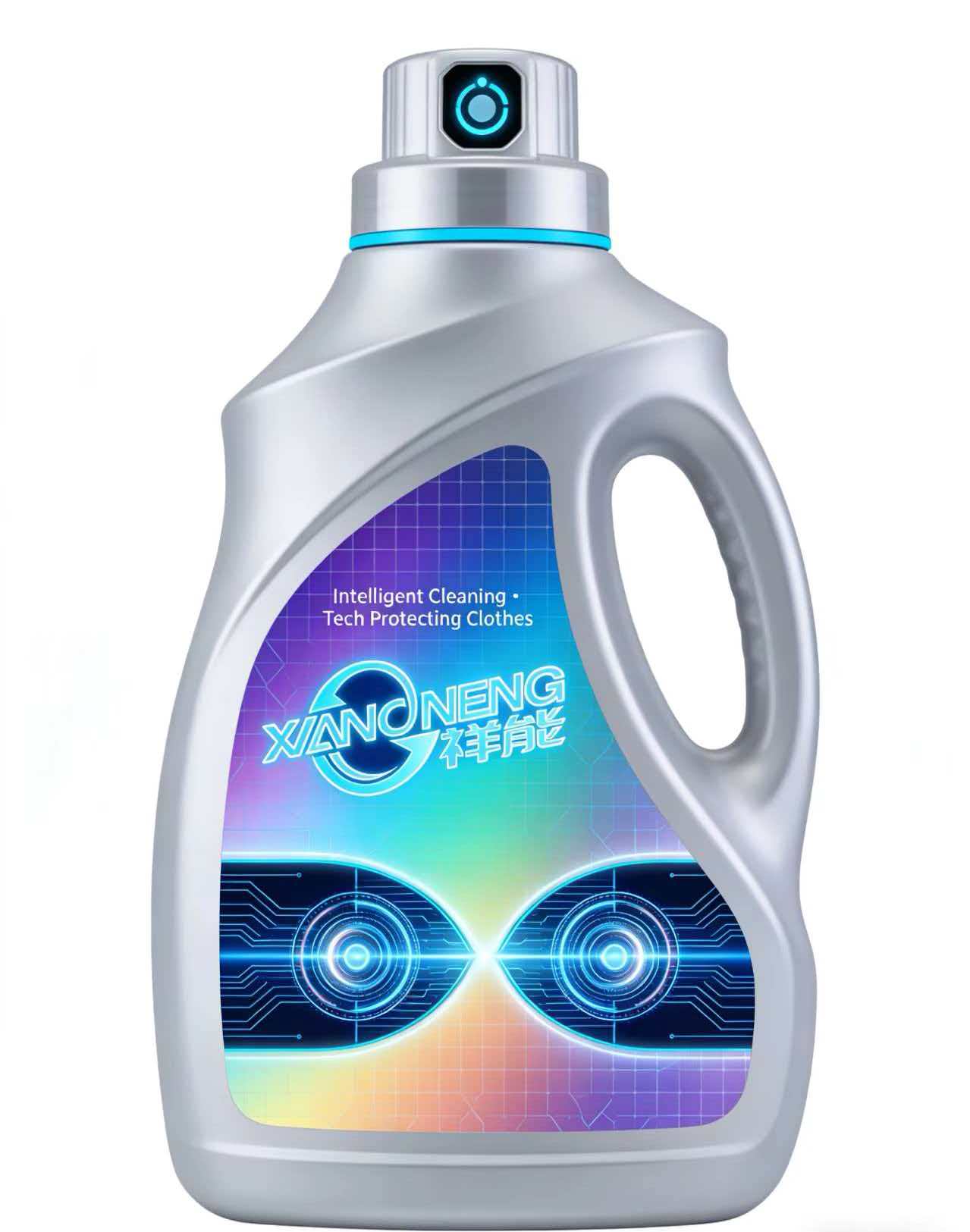
Bottle design affects shelf presentation, storage, transport, pouring, and consumer dosing. Include the preferred bottle material direction, shape, handle requirement, shoulder profile, neck finish, cap style, and target fill-size range. A standard screw cap may suit one channel, while a dosing cap, measuring cup, flip-top, or pump-style format may support another. The final choice should reflect the liquid viscosity and how customers are expected to dispense the product.
Ask suppliers to distinguish between the bottle, closure, label, and secondary packaging decisions. A visually attractive bottle can still create issues if the cap leaks during handling, the label does not fit the panel, or the grip is difficult for the intended user. Buyers should request bottle samples or packaging mock-ups where appropriate and record whether the closure, pouring angle, and label area work together. BAFR can coordinate packaging options through OEM/ODM packaging support while the buyer retains responsibility for brand approval.
Plan Private-Label Artwork and Language
A distributor private-label program should define who owns the artwork, who supplies the logo files, and who approves final print-ready files. Include label language, product naming, usage directions, caution text, barcode placement, importer information, country-of-origin wording, and the hierarchy between brand and product line. If the destination requires bilingual or multilingual packaging, show which language receives the primary visual position and which copy must remain readable at the chosen bottle size.
Artwork should also account for curved bottle panels, label overlap, seam position, cap color, and any visible fill or liquid color. Ask for a digital proof and, where useful, a physical label or bottle mock-up before final approval. Keep claims and usage wording aligned with the documents your team intends to review. A clear approval map helps prevent the distributor, brand owner, and packaging partner from working from different versions.
Compare Bottle, Carton, and Shipment Inputs
An export bottle RFQ should include secondary packaging rather than stopping at the individual bottle. State the units per carton, carton-marking requirements, outer dimensions, gross-weight direction, pallet preference, and warehouse handling assumptions. If the product range includes several bottle sizes, list each SKU and describe whether the shipment will use a mixed-SKU plan. The destination country and port should be included because labels, carton marks, logistics planning, and sample routing depend on the final market.
Avoid asking for a general container statement without providing pack information. Instead, give suppliers the bottle size, carton count direction, estimated purchase plan, and destination details they need to prepare a comparable response. BAFR can help importers and distributors organize these inputs through its China sourcing service. Related cleaning products can also help buyers plan a consistent household-care range around the laundry liquid launch.
Build a Controlled Sample Review
Sample review should compare product performance and packaging usability separately. For the liquid itself, document the wash method, water condition, dosage direction, foam observations, fragrance impression, viscosity, rinse feel, and fabric types used in the test. Do not treat one informal household wash as universal evidence. Use a repeatable note sheet so the same observations can be made across candidate samples.
For packaging, check bottle grip, pouring control, cap fit, label readability, shelf stability, leakage observations, and carton handling. Record which features are mandatory and which are preferences. If the supplier proposes a changed bottle or closure, ask that the replacement be identified clearly in the sample notes. This prevents product feedback from being confused with packaging feedback during the quotation stage.
RFQ Checklist for Export Laundry Liquid Bottles
- Target market, distributor channel, and intended washing method
- Formula direction, fragrance, foam, viscosity, color, and rinse preference
- Bottle material, shape, fill-size direction, handle, and neck requirements
- Cap, dosing, measuring, closure, and leakage-review requirements
- Label language, logo files, barcode, importer details, and artwork status
- Units per carton, carton dimensions, outer marks, and pallet direction
- Destination country, port, storage route, and distributor handling needs
- Sample testing method, packaging mock-up needs, and document scope
- Estimated quantity or shipment plan for each SKU
Next Step
Send the completed brief through Request a Quote to start an export laundry liquid private-label bottle discussion. BAFR will review the product and packaging requirements, coordinate suitable partner manufacturer resources, and arrange the next quotation step after formula, artwork, destination, sample, and commercial details are RFQ-confirmed.