
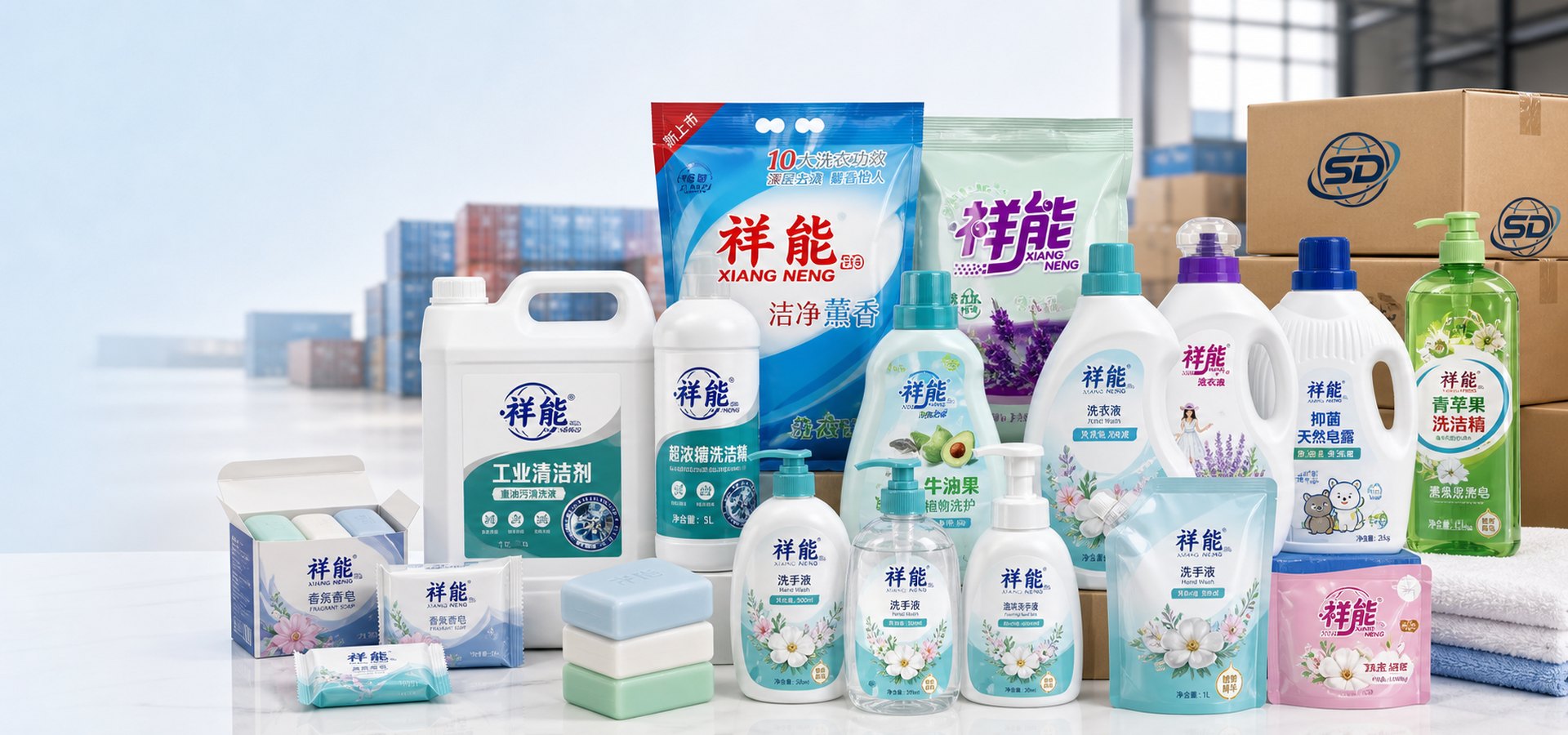
For cleaning products, a useful RFQ is not only a product name and quantity. Importers, wholesalers, distributors, supermarket buyers, and private-label teams usually receive faster sourcing feedback when the request explains the target product, packaging direction, destination market, and sample needs clearly.
Jining Senduo handles cleaning product inquiries through an RFQ-first workflow. Public pricing remains RFQ-only because formula, packaging, quantity, document scope, and supplier matching can change the final quotation.
Build One Comparable RFQ Brief
A useful cleaning products RFQ gives every potential supplier the same starting assumptions. The first version does not need to answer every technical question, but it should distinguish confirmed requirements from preferences and open questions. This prevents one supplier from quoting a basic stock item while another quotes a customized private-label project.
| RFQ field | What the buyer should provide | Keep open when unknown |
|---|---|---|
| Product and use | Product category, intended user, washing or cleaning method | Exact formula until samples are compared |
| Market and channel | Destination country, sales channel, buyer type | Claims or label wording pending local review |
| Pack and artwork | Fill size, pack format, languages, artwork status | Final material or printing method pending supplier options |
| Order plan | Trial, LCL, FCL, annual estimate, or target quantity | Final MOQ until product and packaging are matched |
| Sample purpose | Formula, fragrance, packaging, artwork, or full-product review | Approval until test conditions and reference codes are recorded |
| Document request | Required document name, purpose, destination, and deadline | Availability and scope until checked for the offered product |
| Commercial timing | Target launch or arrival window | Production and transit dates until the order assumptions are fixed |
Mark each row as required, preferred, or open. Suppliers can then state where their response matches, differs, or needs clarification instead of silently filling gaps with their own assumptions.
Start With The Product Category
The first sourcing focus is cleaning products:
- Laundry powder
- Food-contact dishwashing liquid
- Laundry liquid
- Laundry soap
- Hand wash
Laundry powder is the main RFQ category. Buyers can also combine multiple cleaning product categories when building a supermarket, wholesale, or private-label product line.
If the buyer is still comparing product scope, it helps to review the main cleaning products sourcing categories before preparing the RFQ. A focused category list makes it easier to match the inquiry with a suitable formula direction, packaging route, and partner manufacturer resource.
Share Packaging Requirements Early
Packaging affects supplier matching, sample preparation, carton plans, and quotation timing. For laundry powder, buyers can describe whether they need small sachets, family packs, wholesale bags, buckets, pails, woven bags, carton boxes, or multilingual OEM packaging.
For liquid products, useful packaging details include bottle size, refill pack direction, cap or pump type, label language, carton marks, and whether private-label artwork is already available.
For private-label projects, packaging information should include both the consumer-facing pack and the export carton. Useful details include net weight or fill volume, label language, barcode needs, carton mark format, inner packing method, and whether the buyer already has editable artwork. If the project needs OEM or ODM coordination, review the OEM/ODM sourcing process and include artwork status in the first message.
Clarify Formula And Market Direction
The buyer should explain the expected product positioning. Examples include stain removal strength, foam level, fragrance, easy-rinse direction, fabric care direction, tableware grease removal, gentle hand-feel, or antibacterial positioning when applicable.
If the destination market needs specific documents, the RFQ should mention that early. Document scope such as MSDS, customs declaration files, EAC discussion, or third-party quality reports is confirmed by product and selected supplier.
Market direction is also important for claim wording. A supermarket buyer may need retail label language and shelf-ready packaging. A distributor may care more about carton strength, container planning, and wholesale pack handling. A hotel or commercial buyer may focus on product use case, fragrance direction, easy rinsing, and stock management. The RFQ should describe the sales channel so supplier comparison does not rely on guesswork.
Include Order And Sample Details
Senduo can review RFQs for FCL, LCL, trial orders, and sample discussion, but the buyer should state the order plan as clearly as possible.
Useful details include:
- Estimated quantity or container plan
- Destination country and destination port
- Target packaging size
- Private-label or neutral packaging preference
- Sample request and courier arrangement
- Target lead time if there is a launch schedule
- Payment preference if the buyer has a standard procurement process
For sample requests, explain whether the buyer needs a stock sample, packaging reference, custom label sample, formula direction sample, or a complete private-label sample. These are different sourcing tasks. A clear sample request helps Senduo separate quick reference checks from projects that require artwork, fragrance, packaging, and supplier confirmation before sampling.
Separate Statements From Evidence
Supplier answers become easier to compare when the buyer records what supports each answer. A statement such as “this pack is available” is useful for early screening, but it is not equivalent to an approved physical sample or a document tied to the offered formula.
Use four evidence states in the comparison record:
- Supplier statement: an answer that still needs supporting detail.
- Reference material: a photo, specification example, packaging reference, or generic document used to explain an option.
- Project sample or document: evidence identified by sample code, formula, packaging version, or document scope for the proposed item.
- Order confirmation: the agreed specification, artwork, commercial assumptions, and inspection or approval points for the selected order.
Do not promote a reference certificate, sample photo, or indicative lead time into an order-level claim. The comparison should show both the answer and its current evidence state.
Compare Quotes On The Same Basis
Before comparing headline prices, normalize the response into one decision record:
| Comparison field | Supplier response to record |
|---|---|
| Product basis | Formula or specification reference and unresolved differences |
| Consumer pack | Size, material, closure, printing, label, and customization assumptions |
| Export packing | Pieces per carton, carton direction, marks, pallet assumptions, and estimated weights |
| Quantity basis | Quantity, SKU count, trial or production status, and exclusions |
| Sample status | Stock, customized, approved, rejected, or still awaiting review |
| Document status | Available, product-specific preparation required, unsupported, or not yet checked |
| Commercial basis | Currency, price basis, payment discussion, validity, and items not included |
| Timing basis | Artwork, sample, deposit, material, production, and shipment dependencies |
If two quotations do not share the same product, pack, quantity, and evidence assumptions, they are not yet directly comparable. Resolve those differences before selecting the lowest number.
Keep Final Terms Confirmed By RFQ
MOQ, sample availability, lead time, payment terms, packaging scope, and compliance documents should be confirmed after supplier matching. Senduo compares suitable partner manufacturer resources and helps buyers prepare the next quotation step after the RFQ details are clear.
Before asking for a final quote, the buyer should make sure the inquiry includes the decision points that usually affect export cleaning product sourcing:
- Product category and target use
- Destination country and destination port
- Sales channel and buyer type
- Formula direction and fragrance preference
- Packaging size, label language, carton marks, and artwork status
- Estimated quantity, container plan, or trial order direction
- Sample needs and document requirements
The RFQ is ready for supplier comparison when another person can read it and identify what is fixed, what can vary, what evidence has been received, and which questions remain open. Submit that brief through the RFQ form with the product category, quantity plan, packaging direction, formula direction, destination market, and required response date.