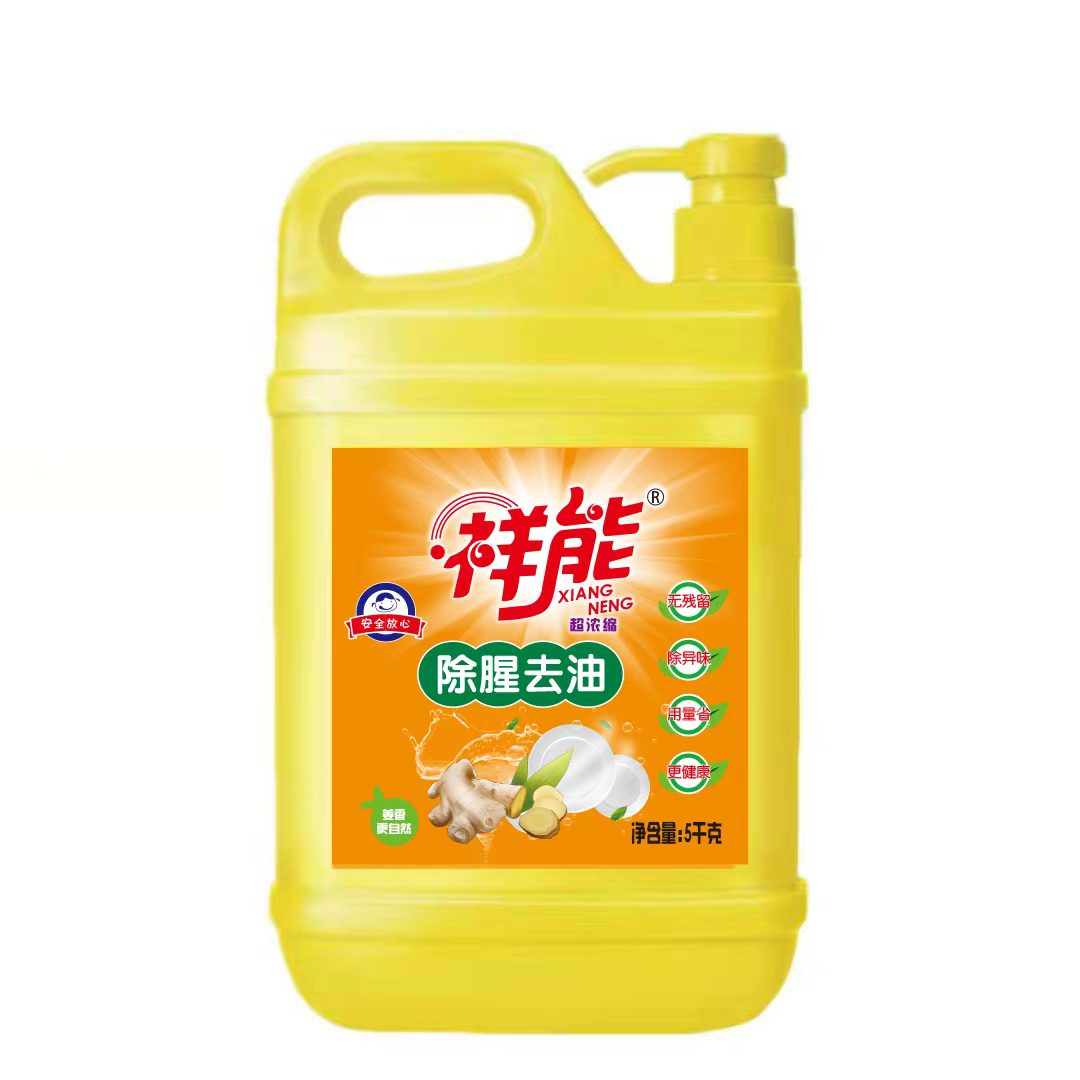
Dishwashing liquid OEM packaging decisions affect shelf presence, leakage risk, carton efficiency, label compliance, and the clarity of a buyer’s RFQ. For importers, distributors, supermarket private-label teams, and cleaning product wholesalers, the goal is not to choose a bottle shape in isolation. The goal is to define a packaging direction that can be quoted, sampled, checked, packed, and shipped with fewer surprises.
BAFR Supply helps buyers coordinate China sourcing conversations with partner manufacturer resources. Packaging, formula, carton, sample, and document questions can then be handled as one sourcing brief rather than separate loose requests.
A useful RFQ should make the commercial discussion easier without pretending that every project has the same price, quantity, certificate scope, or lead time. Dishwashing liquid packaging depends on bottle capacity, cap style, label material, fragrance direction, viscosity, market language, carton layout, destination rules, and the buyer’s preferred retail channel. When those details are organized early, suppliers can respond with a more realistic quotation path.
Define the Buyer Segment Before Bottle Selection
The first packaging decision is the buyer segment. A supermarket private-label project may need a cleaner front label, consistent bottle silhouettes across multiple sizes, and carton marks that match retail receiving requirements. A wholesale distributor may care more about durable cartons, clear variant separation, and packaging that stacks well during inland movement. An importer serving hotel, restaurant, or institutional channels may prefer practical bottle shapes, larger fill sizes, and labels that make usage and dilution information easy to understand.
These differences change the RFQ. Instead of asking for a generic dishwashing liquid price, the buyer should describe the sales channel, target shelf position, expected bottle sizes, label language, and whether the packaging is for retail display, wholesale resale, or institutional supply. This helps the sourcing team compare packaging options against the actual use case.
For buyers still defining their range, it is useful to review broader cleaning products options before locking the bottle direction. Dishwashing liquid may be sourced alongside laundry liquid, laundry powder, disinfectant-adjacent cleaners, or other household cleaning categories, and aligned packaging logic can make the final range easier to manage.
Build the RFQ Around Bottle, Closure, Label, and Carton
A dishwashing liquid OEM packaging RFQ should separate the visible retail pack from the logistics pack. The visible pack usually includes bottle capacity, bottle resin direction, bottle color, transparency, neck finish, cap type, pump or flip-top option if relevant, label format, label finish, and front/back artwork requirements. The logistics pack includes inner packing, pieces per carton, carton strength direction, carton marks, pallet expectations if any, and container loading assumptions.
Bottle capacity should be written as a target range if the buyer is still comparing formats. For example, a buyer may ask suppliers to quote common retail sizes while confirming which bottle molds are available for the required visual direction. Cap and closure details should be practical: leakage resistance, consumer convenience, and cost structure all matter. Label material should also be discussed early because paper labels, film labels, shrink sleeves, and direct print directions can create different sampling and artwork paths.
Carton planning deserves the same attention as the bottle. A bottle that looks attractive on shelf can still create problems if the carton is weak, inefficient, or difficult for distributors to identify. The RFQ should ask for proposed pieces per carton, gross weight estimate, carton dimensions, and whether separators or strengthened cartons are recommended for the destination and route.
Match Formula Direction With Packaging Risk
Packaging cannot be evaluated separately from formula direction. Dishwashing liquid viscosity, fragrance, color, degreasing positioning, and foam preference can all affect the way the product fills, sits in the bottle, and appears to the buyer. A transparent bottle may make color and clarity more important. A squeeze bottle may require attention to viscosity and closure performance. A premium retail label may need the formula story to match the visual promise without making unsupported public claims.
Buyers should describe the target formula direction in plain commercial language. Useful inputs include fragrance family, color direction, degreasing focus, mildness positioning if supported by the product brief, and whether the product is intended for general household use or a specific buyer channel. If the buyer has a benchmark product, photos and a non-confidential description can help the sourcing discussion.
BAFR should be treated as a sourcing coordinator, not as a company making unsupported owned-factory claims. The practical value is in helping buyers organize formula, packaging, sample, and supplier communication so partner manufacturer discussions start with a clearer brief.
Prepare Artwork and Label Inputs Before Sampling
Artwork delays are common in private-label dishwashing liquid projects. A buyer may approve the bottle shape but then lose time because label size, barcode area, ingredient wording, importer details, and destination language are not ready. Before sampling, the buyer should decide whether the first sample needs final artwork, placeholder artwork, or plain packaging for formula review only.
A good label brief includes front label dimensions, back label content direction, language requirements, variant names, fragrance names, barcode placement, logo files, color references, and any claims that must be reviewed before use. The RFQ should avoid treating labels as a decorative afterthought. Label decisions influence cost, sampling, production preparation, and the way cartons are marked.
For projects that need deeper private-label coordination, buyers can review BAFR’s OEM and ODM sourcing support to understand how packaging direction, artwork inputs, and supplier communication fit together.
RFQ Checklist for Dishwashing Liquid Packaging
Use this checklist to make the first supplier conversation more specific:
- Target market and buyer channel: supermarket, distributor, wholesale, institutional, or mixed channel.
- Bottle capacity options and preferred bottle shape direction.
- Bottle color, transparency, resin direction, and available mold preference.
- Closure type: flip-top, screw cap, pump, or other practical direction.
- Formula direction: fragrance, color, viscosity, foam preference, and benchmark references if available.
- Label method: sticker label, film label, shrink sleeve, direct print, or supplier recommendation.
- Artwork status: final files, draft direction, placeholder sample label, or plain sample request.
- Carton plan: pieces per carton, carton marks, gross weight estimate, and destination handling expectations.
- Sample purpose: packaging review, formula review, artwork review, or buyer presentation.
- Document scope to confirm by RFQ: commercial invoice, packing list, origin-related documents, product information, or buyer-specific documents.
- Internal links and next steps: compare category fit through sourcing service if the product range is still being planned.
Compare Quotes With Packaging Assumptions Visible
When quotes arrive, buyers should avoid comparing only the headline unit number. One quote may assume a simpler bottle, fewer label requirements, thinner carton direction, or a different sample path. Another may include packaging assumptions that are closer to the buyer’s destination market. The comparison should keep bottle, closure, label, carton, sample, and document assumptions visible.
A practical quote table should include packaging description, formula direction, bottle and closure assumptions, label method, carton packing, sample status, document notes, and open questions. This gives the buyer a better basis for follow-up than a price-only comparison. It also helps the sourcing team identify which differences come from product structure and which differences come from missing information.
Next Step for Buyers
If you are preparing an OEM packaging RFQ for dishwashing liquid, send the target market, bottle direction, label idea, formula positioning, carton expectations, and any benchmark photos in one brief. BAFR can help organize the request, clarify missing packaging details, and coordinate the discussion with relevant partner manufacturer resources. Start with the request a quote page so the sourcing conversation begins with the information suppliers actually need.